Caravan Chassis Cracks, Rust and Loose Bolts: What a Service Can Reveal
Learn what a caravan chassis inspection can reveal, including cracks, corrosion, loose bolts, damaged welds and overloaded mounting points.

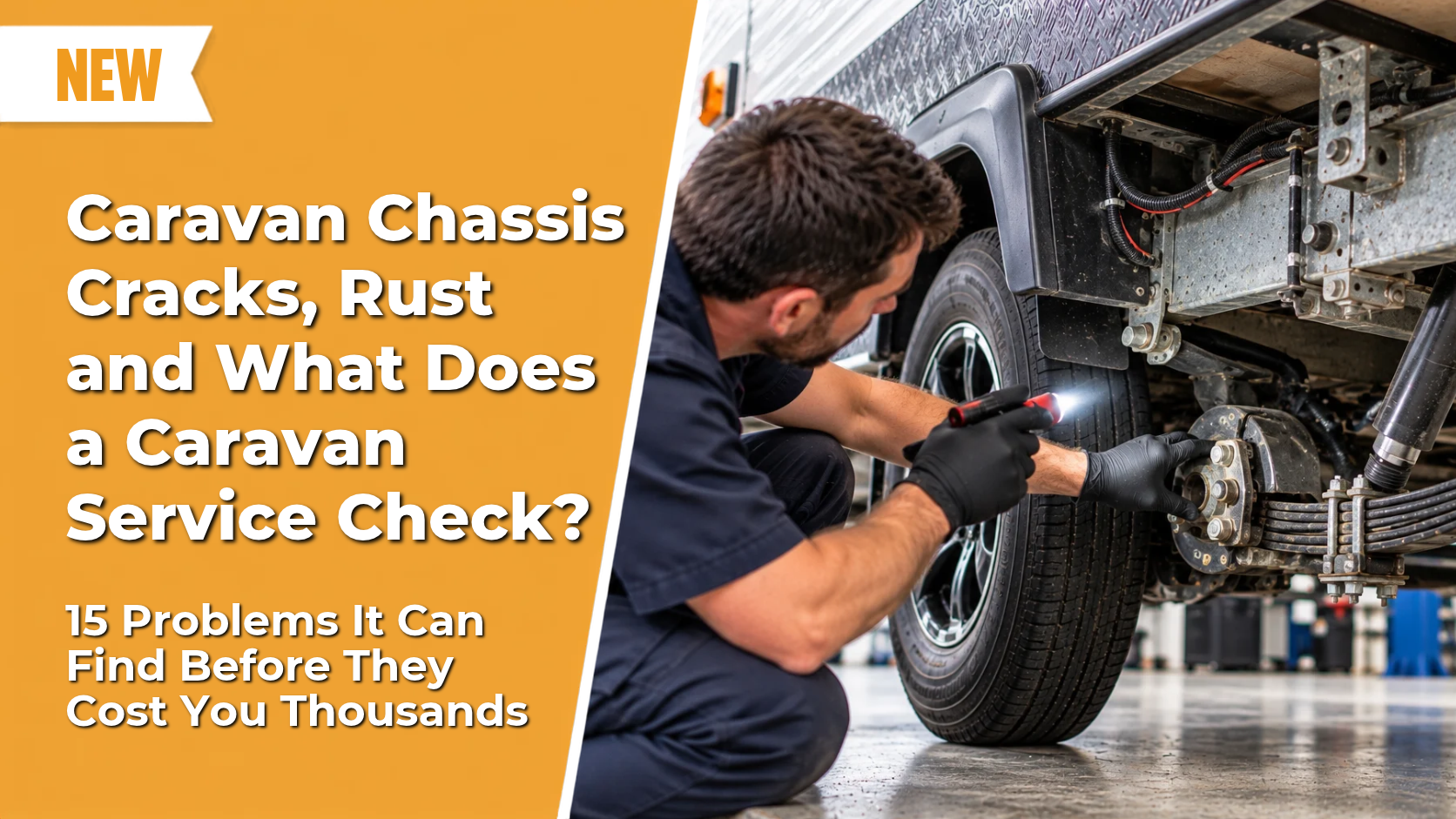
A caravan can look perfectly roadworthy while important components underneath are wearing, loosening or corroding. That is why a proper caravan service is more than an oil-and-grease exercise. It is a structured inspection designed to find developing problems before they cause a breakdown, damage other components or compromise towing safety.
The exact checklist varies with the caravan, its age, suspension and braking system, how it is used and the service level selected. At AllBrand Caravan Services, our technicians assess the systems relevant to the van and report faults that require attention. If you are comparing service providers, ask what is physically removed, measured, adjusted and tested—not simply whether they “check the brakes and bearings”.
A comprehensive caravan and motorhome service generally covers the running gear, brakes, wheel bearings, tyres, suspension, chassis, coupling, safety equipment, road lights and other items included in the agreed service scope. Appliances, plumbing, electrical systems, seals and water ingress may require additional checks or specialised testing.
Bearings can develop pitting, heat damage, corrosion or incorrect adjustment. Left unchecked, a failed bearing may damage the hub or axle and leave the caravan stranded. Removing and inspecting the bearings provides much more information than simply checking whether the wheel spins.
Electric drum brakes gradually wear and move out of adjustment. The van may begin pushing the tow vehicle, pulling to one side or requiring higher controller gain. Servicing can reveal worn linings, glazed surfaces and uneven adjustment.
Brake magnets wear against the drum and rely on sound wiring and adequate current. Grooving, damaged leads or poor magnet performance can reduce braking force even when the controller appears to be operating.
Connections beneath a caravan face water, road grime and vibration. High resistance, damaged insulation and poor earth points can create intermittent or weak braking that may not be obvious during normal towing.
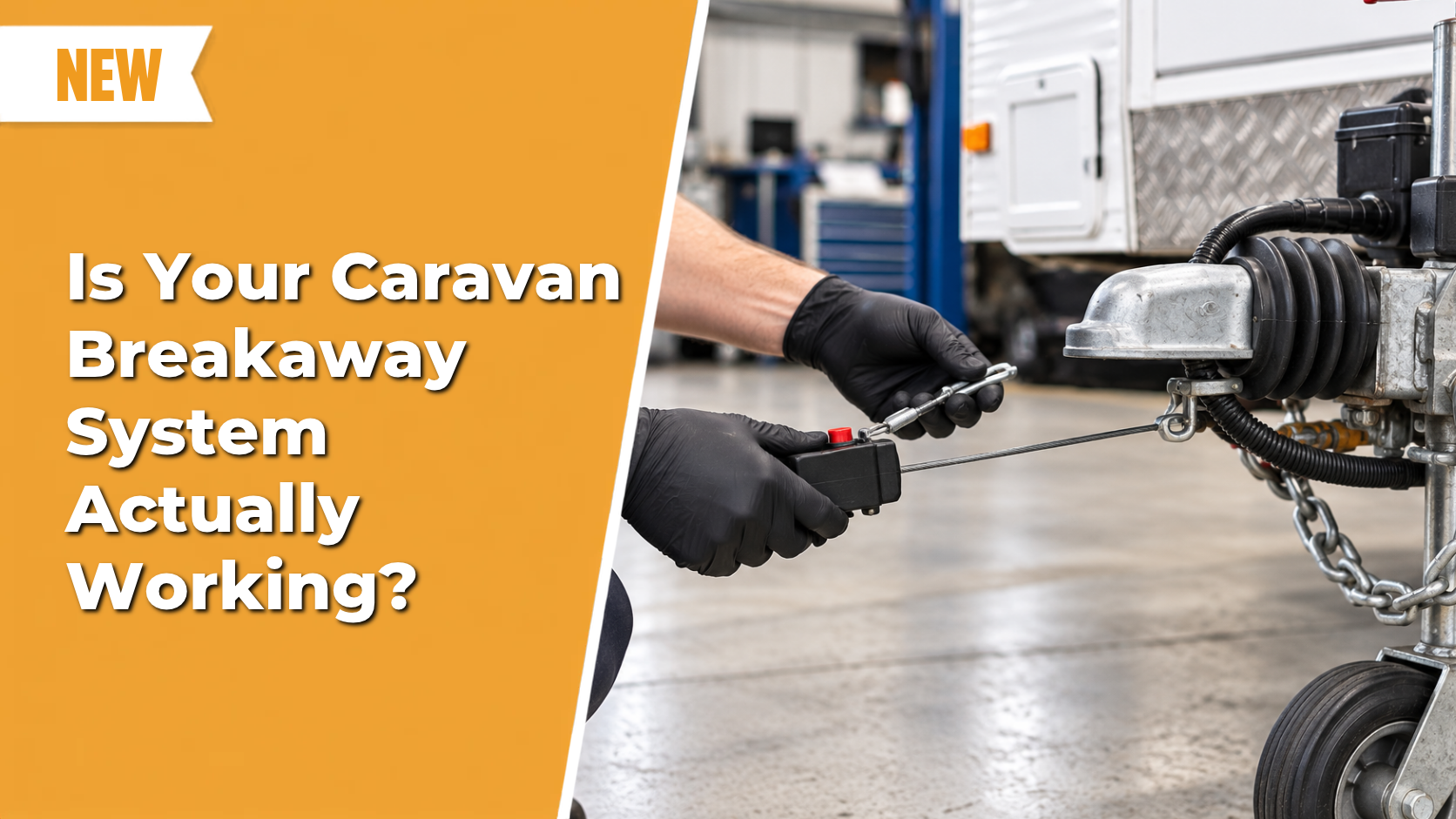
The presence of a breakaway box does not prove the system will operate. A service can expose an ageing battery, faulty switch, damaged cable or charging problem before an emergency.
Tread depth is only part of the story. Technicians also look for cracking, bulges, abnormal wear, incorrect pressure and tyre age. Uneven wear may point to alignment, loading, axle or suspension problems.
Incorrect torque, damaged threads or movement between the wheel and hub can become a serious safety issue. Studs and nuts should be inspected rather than repeatedly tightened without investigating the cause.
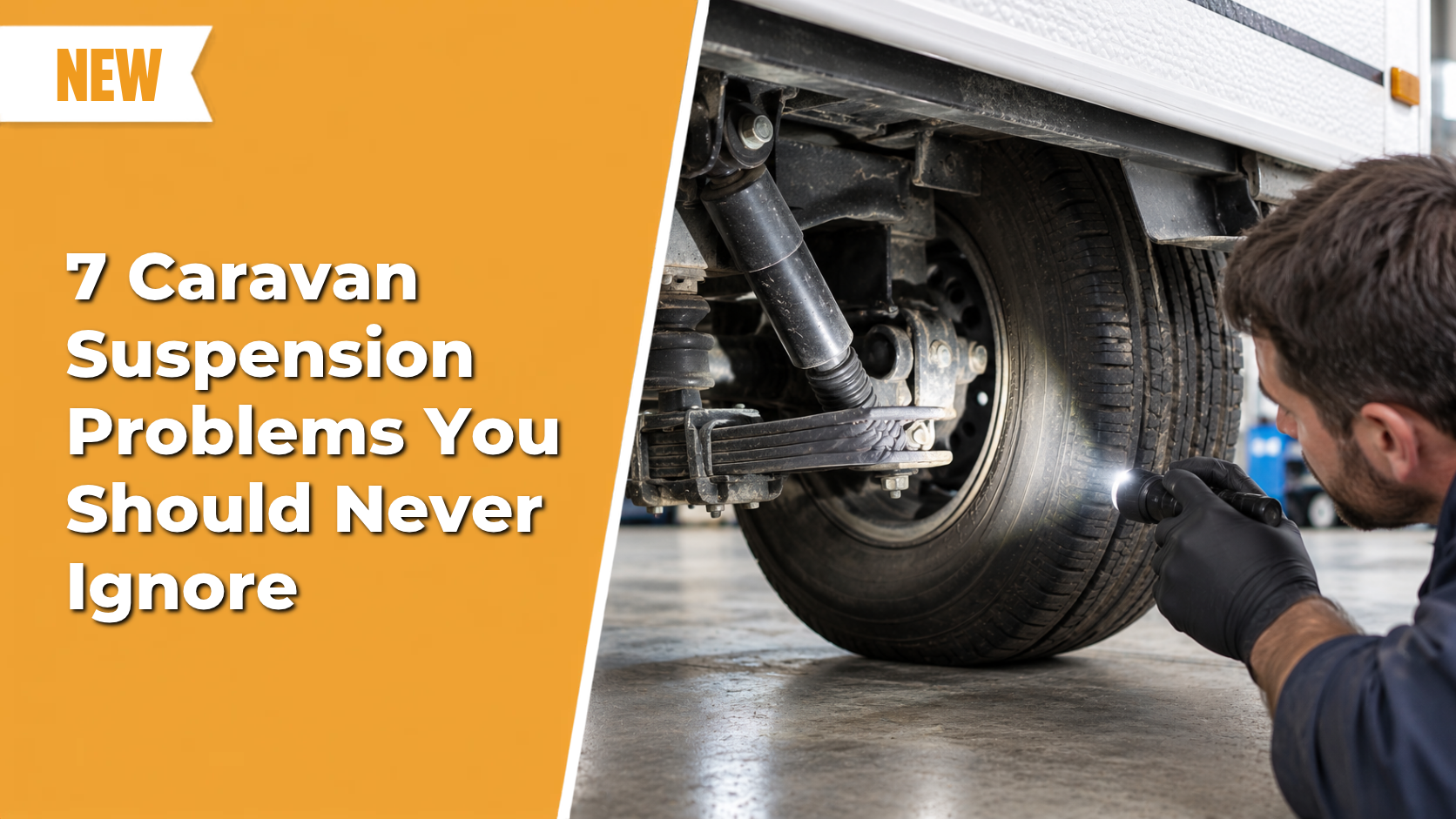
Suspension components work under substantial load. Worn bushes, elongated holes, loose U-bolts and damaged springs can affect tyre wear, tracking and stability while placing additional stress on the chassis.
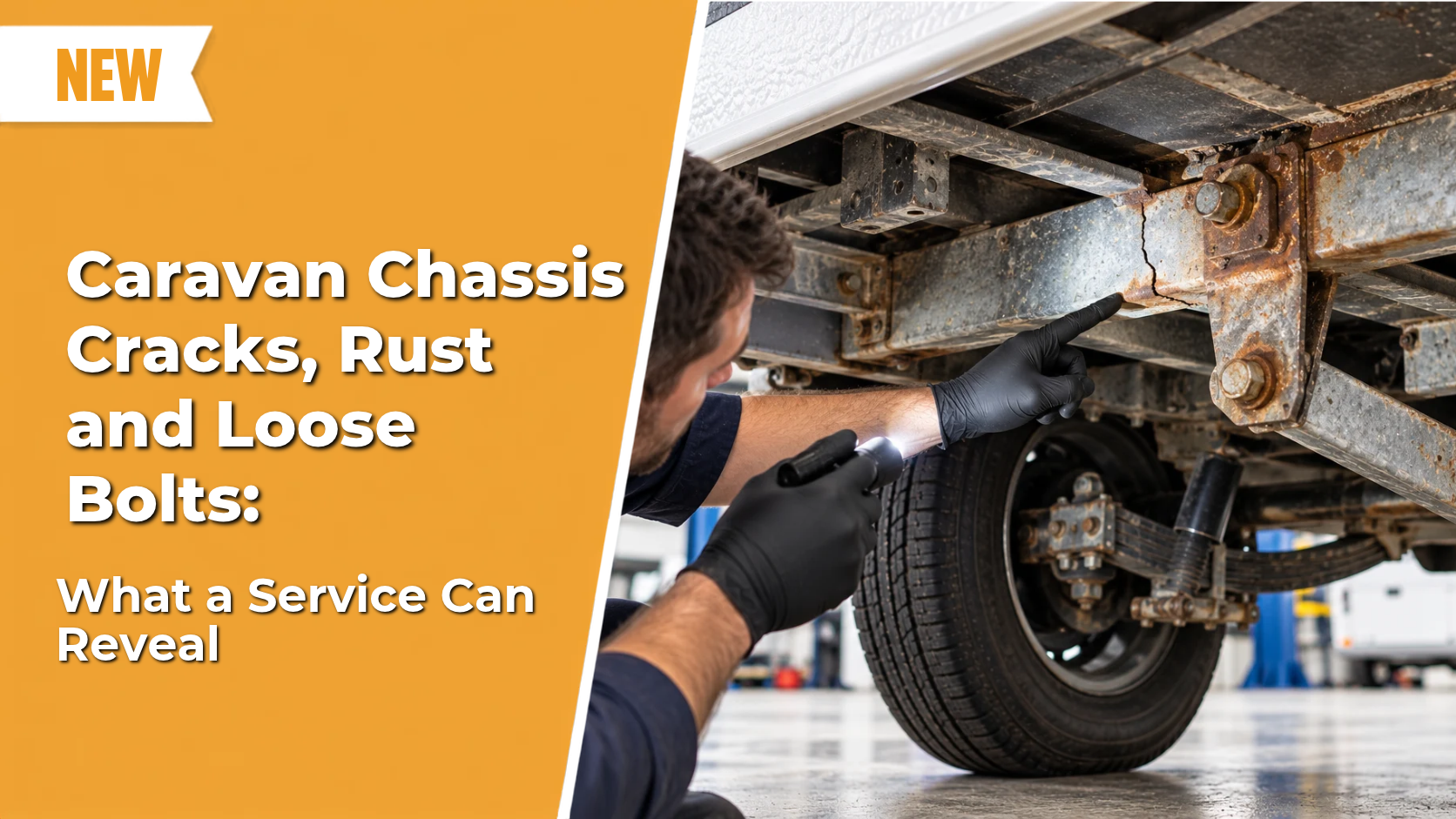
Vibration can loosen mounting hardware. Movement around brackets or mounting points may be visible as polished metal, fretting, rust staining or elongated holes.
Early cracking can be subtle, especially around suspension mounts, the A-frame and areas modified for accessories. Surface rust may be manageable, but swelling, deep pitting or cracking requires proper assessment.
The coupling, mounting bolts, latch, safety chains and rated attachment points connect the entire caravan to the tow vehicle. Wear, distortion, corrosion or loose fasteners should never be dismissed as cosmetic.
A stretched cable, seized lever or incorrect adjustment can prevent the handbrake from holding the van. Excessive adjustment can also cause drag and heat at the brakes.
Indicators, stop lamps, tail lamps and clearance lights may fail because of corrosion, damaged wiring, water entry or poor earths. Intermittent faults frequently appear when plugs or harnesses move.
A routine visual inspection may reveal lifted sealant, gaps, staining or soft areas. It cannot always confirm that the body is watertight, so suspected leaks may justify a dedicated water-pressure test.
Low kilometres do not stop deterioration. Bearings can corrode, batteries can sulphate, brakes can seize, tyres can flat-spot and seals can dry out while a caravan sits unused.
Do not assume every service includes gas certification, 240-volt electrical testing, appliance repair, wheel alignment, a water-pressure test or a full pre-purchase inspection. Ask for a written scope. Specialist work may need appropriately licensed trades and separate authorisation.
Service intervals depend on the manufacturer’s requirements and how the caravan is used. A common approach is at least annually or at the applicable kilometre interval, with additional checks before major trips, after difficult off-road travel, after long storage or whenever towing behaviour changes. Always follow the most conservative applicable recommendation for your caravan and its components.
A loose fastener, worn bush or failing seal is usually less expensive to address before it damages the tyre, axle, chassis or internal structure. More importantly, regular inspection gives you a clearer understanding of the van’s condition before you commit to a long trip.
Not sure what condition your caravan is in? Book a professional caravan service with AllBrand Caravan Services in Brisbane before your next trip.
It depends on the service package. A thorough running-gear service should specify whether the bearings are removed, cleaned, inspected, repacked, adjusted and replaced where necessary. A simple external check is not the same as dismantling and inspecting them.
Not always. Appliance operation, gas-system work and 240-volt electrical testing may sit outside a standard chassis and running-gear service. Confirm the inclusions when booking and disclose any appliance faults so the correct technician and testing can be arranged.
Yes. A service records the condition of accessible components at the time of inspection; it cannot guarantee that no future fault will occur. Following the technician’s recommendations, monitoring changes and completing owner checks between services remain important.
Yes. Time, moisture, heat, storage position and lack of movement can affect tyres, bearings, brakes, batteries and seals. Low annual kilometres should not automatically mean a longer service interval.
Mention unusual noises, heat from a hub, pulling under brakes, tyre wear, water marks, recent impacts, long storage, overloading concerns and any changes to the van. These details help the technician investigate intermittent or developing faults efficiently.
 Call us: 07 3869 2969
 Visit us: 101 Connaught Street, Sandgate Qld 4017
 Email: [email protected]