
Caravan suspension specialists in Sandgate
Caravan Trailing Arm Suspension Repairs Brisbane
Concerned about worn bushes, damaged arms, shock absorbers, ride height or uneven tyre wear? AllBrand assesses, services and repairs caravan trailing arm suspension and can explain whether component replacement or a complete upgrade is appropriate.
What Is Caravan Trailing Arm Suspension?
Trailing arm suspension uses a structural arm that pivots from a mounting point ahead of the wheel and extends rearward to carry the hub or stub axle. As the wheel rises and falls, the arm rotates through a controlled arc. Many caravan trailing arm systems are independent, allowing each wheel to react with less direct influence on the wheel opposite it.
The arm is only one part of the system. Coil springs or airbags support the load, shock absorbers control movement, and pivot bushes, hinge bolts, bump stops, mounts, brakes, hubs and bearings all affect performance. Geometry, capacity and installation requirements vary between products.
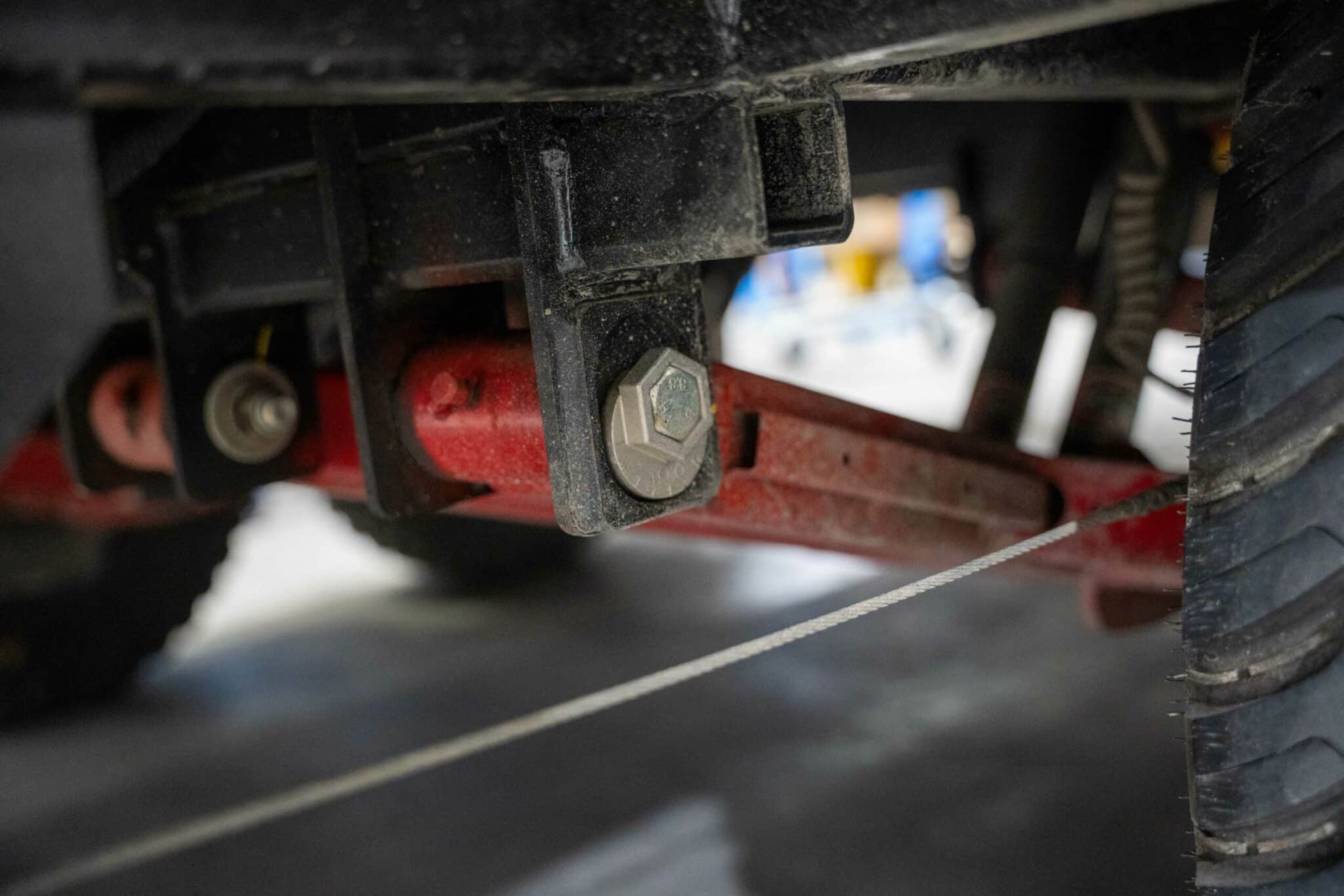
Signs Your Trailing Arm Suspension Needs Inspection
Worn Pivot Bushes
Cracking, distortion or movement at the arm pivot can affect wheel position and produce knocks or squeaks.
Damaged or Bent Arms
Impact damage or visible distortion may alter suspension travel, alignment, tyre clearance and structural load paths.
Leaking Shock Absorbers
Oil leakage, damaged mounts or reduced damping can allow excessive movement after bumps and corrugations.
Uneven Ride Height
The caravan leans, sits lower than expected or shows different clearances from one side to the other.
Abnormal Tyre Wear
Feathering, shoulder wear or different patterns between wheels can point to alignment, loading or component concerns.
Changed Towing Behaviour
New clunks, instability, poor tracking, bottoming or a harsher ride warrant inspection before demanding travel.
These signs do not identify the failed part by themselves. Tyres, loading, springs or airbags, wheel bearings, brakes, alignment, mounting areas and chassis condition can create similar symptoms. A complete assessment helps separate the symptom from its actual cause.
What We Check During a Trailing Arm Suspension Assessment
Arms, Pivots and Bushes
We inspect visible arm condition, hinge areas, bushes, sleeves and fasteners for wear, damage or movement.
Springs or Airbags
Coils, airbags and their seats or mounts are assessed according to the design and reported symptoms.
Shock Absorbers
Shock bodies, bushes, mounts and visible leakage are checked for signs of damage or reduced control.
Ride Height and Alignment
Side-to-side position, tyre wear, wheel location and visible toe or camber concerns help guide diagnosis.
Mounts and Chassis Areas
Brackets, welds and nearby chassis structure are checked for cracking, corrosion, distortion or impact damage.
Related Running Gear
Tyres, hubs, bearings and brakes may be inspected where they form part of the concern or booked scope.
Caravan Trailing Arm Suspension Repairs
Repairing the Existing System
Where compatible parts and technical information are available, repair may involve pivot bushes, sleeves, fasteners, springs or airbags, shock absorbers, bump stops, mounts or related wheel-end components. The work recommended depends on the suspension design and the reason the component failed.
Replacing an obvious worn bush or damaged shock absorber may not be enough if incorrect ride height, misalignment, overloading or mounting movement caused the problem. We assess the surrounding system so the approved repair addresses more than the visible symptom.
Structural Damage Needs Careful Assessment
A bent arm, cracked mount or damaged weld can affect wheel position and the loads transferred into the chassis. Straightening or welding structural suspension parts without a supported procedure may be inappropriate. Manufacturer advice, component replacement or engineering input may be required.
After an impact, the stub axle, hub, bearing, brake, tyre, wheel and nearby chassis should also be considered because damage is not always confined to the first visible component.
When Is a Trailing Arm Suspension Upgrade Worth Considering?
An upgrade may be considered when the existing suspension is damaged, obsolete, unsuitable for the caravan’s verified operating weight or inconsistent with its intended use. Owners may also investigate a complete independent suspension system when looking for different clearance, travel, alignment or service characteristics.
A retrofit can involve structural mounting frames, trailing arms, pivots, bushes, springs or airbags, shock absorbers, brakes, hubs, wiring and relocation of underbody items. It should be treated as a vehicle modification rather than a simple component swap.
- Confirm actual loaded weight and every legal rating
- Assess the chassis and mounting load paths
- Check wheel, tyre, brake and body clearances
- Consider single- or tandem-axle geometry
- Identify manufacturer support and parts supply
- Determine engineering or certification requirements
- Allow access for future inspection and servicing
AllBrand recommends a suspension pathway only after considering the actual caravan, its condition and how it will be used.
Trailing Arm Suspension Compared With Other Caravan Systems
Trailing Arm Suspension
Locates the wheel on a pivoting arm and commonly forms part of an independent coil- or air-suspension system.
Leaf Spring Suspension
A familiar beam-axle design with visible springs, shackles and bushes and comparatively simple service components.
Rubber Torsion Suspension
Combines the axle and springing action using internal rubber elements and requires accurate replacement specifications.
Air Suspension
Uses airbags and pneumatic controls, often with trailing arms, to support load and provide designed pressure or height adjustment.
There is no single best suspension for every caravan. Chassis design, ATM, actual payload, axle configuration, roads travelled, desired clearance, maintenance expectations and parts support should guide the choice.
How a Trailing Arm Suspension Booking Works
1. Tell Us What You Have Noticed
Send the caravan details, suspension brand if known, symptoms, recent impacts and useful photographs.
2. Workshop Assessment
We inspect the relevant suspension, mounting and running-gear areas to identify the likely cause and scope.
3. Recommendation and Quote
We explain the proposed repair, replacement or upgrade pathway and any technical input or parts required.
4. Complete Approved Work
Authorised work is completed, followed by relevant ride-height, clearance and functional checks.
Trailing Arm Suspension and Running-Gear Guides
These AllBrand guides provide useful background before your suspension assessment.
How to Tell if Your Caravan Suspension Is Worn Out
Learn the signs that may indicate worn bushes, damaged components, alignment concerns or changed suspension performance.
Decoding Your Caravan’s Chassis and Suspension
Understand how the chassis, suspension and running gear work together and why routine inspection matters.
Caravan Suspension Upgrades: Cruisemaster XT
Explore a complete independent trailing arm suspension upgrade and the factors to consider before fitment.
Caravan Trailing Arm Suspension FAQs
Detailed answers to common questions about trailing arm suspension costs, bushes, repairs, alignment, servicing, upgrades and off-road use.
What is trailing arm suspension on a caravan?
Trailing arm suspension uses an arm that pivots from a mounting point ahead of the wheel and extends rearward to carry the hub or stub axle. As the wheel moves over a bump, the arm rotates through its designed arc. A coil spring, airbag or other springing element supports the caravan, while a shock absorber controls movement. Bushes, pivot bolts, mounts, bump stops, brakes and wheel-end components are also part of the system. Designs vary, so servicing and repair must follow the specifications for the suspension fitted.
Is trailing arm suspension the same as independent suspension?
Trailing arm describes the way the wheel is located and guided, while independent suspension describes how one wheel can move with less direct effect on the wheel opposite it. Many caravan trailing arm systems are independent, but the terms are not interchangeable in every application. A trailing arm system may use coil springs, airbags or another springing method. Identifying the manufacturer, model, capacity, arm arrangement and spring type is important before parts, settings or repair procedures are selected.
Is trailing arm suspension good for off-road caravans?
Trailing arm suspension can suit off-road caravans when the complete system is designed and rated for the caravan’s weight and intended terrain. Potential benefits can include independent wheel movement, useful ground clearance and controlled suspension travel. However, trailing arms alone do not make a caravan off-road capable. Chassis strength, arm and pivot design, springs, shock absorbers, bump stops, tyres, brakes, clearances and loaded weight all matter. Manufacturer limits and more frequent inspections after corrugated, dusty or high-impact travel should be respected.
Is trailing arm suspension better than leaf-spring suspension?
Neither system is automatically better for every caravan. Independent trailing arm suspension may offer controlled wheel movement, centre clearance and adjustability on some designs. Leaf-spring suspension is comparatively simple, widely understood and can be easier to repair in remote areas. The right choice depends on the chassis, ATM, axle arrangement, actual payload, road use, maintenance expectations and parts availability. A conversion should be considered as a complete engineered system rather than selected only because trailing arm suspension sounds more advanced.
How much does a caravan trailing arm suspension upgrade cost?
The cost varies considerably because an upgrade may involve suspension frames or arms, pivots, bushes, springs or airbags, shock absorbers, brakes, hubs, alignment, fabrication, labour and any required engineering or certification. Single- and tandem-axle caravans have different scopes, and chassis condition or underbody clearance can add work. Product availability and the desired system capacity also affect pricing. AllBrand needs the caravan details and normally a workshop inspection before confirming whether a trailing arm conversion is suitable and providing an accurate quote.
Can trailing arm suspension be fitted to an existing caravan?
Some caravans can be converted, but trailing arm suspension is not a universal bolt-on upgrade. The chassis must be suitable for the new mounting loads and pivot geometry, with enough space for the arms, springs or airbags, shock absorbers, tyres and full wheel travel. The proposed system must suit the caravan’s ATM, axle configuration, brakes and intended use. Ride height, plumbing, tanks, steps and other underbody equipment may be affected. Engineering evidence or certification may be required, so feasibility must be assessed before components are ordered.
What are the signs of worn trailing arm suspension?
Warning signs include clunks or squeaks, visible movement at pivot points, cracked or distorted bushes, loose fasteners, leaking shock absorbers, uneven ride height, tyre rubbing or abnormal tyre wear. A wheel that appears out of position, a caravan that tracks differently or repeated bottoming also warrants inspection. These symptoms can overlap with loading, tyre, bearing, brake, spring or chassis problems. The complete suspension and running gear should be assessed before assuming the trailing arm or any single component is responsible.
How do I know if caravan suspension bushes are worn?
Worn trailing arm bushes may allow excessive movement at the pivot, contribute to knocks or squeaks and affect the wheel’s position under load. Visible cracking, distortion, separation or movement around the bush can justify closer inspection, but some wear is difficult to judge without safely unloading or measuring the suspension. Different bush materials and systems have different service and lubrication requirements. Do not apply an unsuitable lubricant or tighten pivot hardware without the manufacturer’s procedure, because bush preload and bolt torque can be critical.
Can a bent caravan trailing arm be repaired?
The correct response depends on the arm design, material, amount of distortion, damage location and manufacturer requirements. A bent arm can alter wheel position, alignment, tyre clearance and load paths through the suspension. Straightening or welding a structural suspension component without an approved procedure may introduce weakness or conceal damage, so replacement may be the appropriate pathway. The pivot, mounts, stub axle, hub, brake, spring or airbag, shock absorber and adjacent chassis should also be checked because the impact that bent the arm may have affected other parts.
Why is my caravan wearing tyres unevenly with trailing arm suspension?
Uneven tyre wear may relate to incorrect toe or camber, worn pivot bushes, loose hardware, a bent arm or stub axle, bearing movement, impact damage, overloading, poor weight distribution or tyre-pressure differences. Some trailing arm systems provide alignment adjustment, while others require different repair methods. Replacing tyres or performing a generic alignment without correcting worn or damaged components may allow the pattern to return. Assessment should consider the wear pattern, loaded ride height, wheel position, pivots, hubs, bearings and the manufacturer’s alignment specifications.
How often should trailing arm caravan suspension be serviced?
Follow the service schedule supplied by the caravan and suspension manufacturer because intervals and procedures vary. Checks may include pivot bushes, hinge bolts, suspension arms, springs or airbags, shock absorbers, bump stops, mounting brackets, wheel alignment indicators, bearings, brakes and tyres. New or recently disturbed components may require early torque checks. Corrugations, water crossings, dust, impacts, heavy loading and long-distance touring can justify more frequent inspection. A visual check before a trip is useful but does not replace scheduled workshop servicing.
How long do trailing arm suspension bushes and shock absorbers last?
There is no fixed lifespan that applies to every caravan. Wear depends on the system, kilometres travelled, road conditions, loading, contamination, heat, maintenance and whether components have operated within their designed travel. Bushes may wear or deform, while shock absorbers can leak, lose damping performance or develop damaged mounts. Age alone does not confirm condition, and replacing one component may not correct a broader geometry or alignment problem. Inspection, measurements and towing symptoms are more useful than a generic replacement timetable.
Can trailing arm suspension increase my caravan’s ATM?
No. Installing trailing arm or independent suspension does not by itself increase the caravan’s legal ATM, axle ratings or payload. Those limits apply to the complete caravan and depend on the chassis, coupling, brakes, suspension, hubs, tyres, wheels and other components. Any proposed rating change requires a separate technical assessment and the appropriate engineering and regulatory process. The caravan should be weighed in its normal travelling condition and kept within every applicable rating, regardless of the suspension type fitted.
Can I tow with a damaged trailing arm or worn suspension bush?
Do not continue towing if a wheel is visibly out of position, the caravan is leaning severely, a trailing arm or mount is cracked or bent, tyre clearance is unsafe, hardware is loose or towing stability has changed substantially. Continued movement can worsen damage and affect tyres, brakes, bearings, the chassis and vehicle control. Stop somewhere safe and contact a qualified repairer or recovery provider. Photographs can assist an initial discussion, but they cannot confirm that the caravan is safe to move or reveal hidden damage.
Where can I get caravan trailing arm suspension repairs in Brisbane?
AllBrand Caravan Services provides trailing arm suspension inspections, servicing, repairs and upgrade assessments at 101 Connaught Street, Sandgate QLD 4017, on Brisbane’s northside. We assist caravan and motorhome owners from Brisbane, Moreton Bay, Redcliffe, North Lakes, Brendale, Caboolture and surrounding areas. When requesting an assessment, provide the caravan make, model, year, ATM, axle configuration, suspension brand, symptoms and clear photographs. A workshop inspection may be required before the cause, repair scope, parts availability and price can be confirmed.
Caravan Suspension Videos From McArthur Industries
See trailing arm suspension, servicing and upgrade work from the AllBrand and McArthur Industries team.
Caravan Trailing Arm Suspension
An introduction to the layout and operation of a caravan trailing arm suspension system.
Annual Service and Suspension Check
See why suspension bushes and running-gear checks form part of routine caravan maintenance.
Caravan Suspension Upgrade
A practical look at the work involved in a more comprehensive independent suspension retrofit.
Concerned About Your Caravan’s Trailing Arm Suspension?
Tell us what has changed and send any useful photographs. We will advise whether a workshop suspension assessment is the right next step.