How to Improve Insulation in Your Caravan or Motorhome for Cosier Travels
Better comfort, all year round
Whether you’re chasing summer sun or braving chilly nights on the road, good insulation is the key to comfortable travel in your caravan or motorhome. It’s not just about keeping warm in winter—proper insulation also helps keep interiors cooler during hot days and improves energy efficiency.
If your van feels too cold, too hot, or impossible to keep comfortable, it may be time for an upgrade.
Why Insulation Matters
In a caravan or motorhome, insulation plays a big role in regulating internal temperatures. Unlike traditional homes, these vehicles are often exposed to harsher conditions and have thinner walls, making them more vulnerable to heat and cold.
Without effective insulation, your heating or cooling systems must work harder, using more power and reducing battery life. It can also lead to condensation build-up, which encourages mould, dampness, and damage to your interior.
Whether you’re retrofitting an older model or improving a new one, there are practical ways to boost your insulation and create a more enjoyable living space.
Upgrade Window Coverings
Windows are one of the biggest sources of heat loss and gain. Using thermal blinds or insulated window covers can make a noticeable difference in keeping temperatures stable. Block-out curtains or reflective sunshades are also useful for reflecting heat away during the day and keeping warmth in overnight.
If you’re planning a longer trip, consider double-glazed window upgrades for even better thermal performance.
Seal the Gaps
Small drafts can make your van feel colder than it should. Common leak points include door seals, pop-top joins, floor corners, and skylights. Using rubber seals, weather stripping, or expanding foam in these areas can reduce air leaks and improve insulation immediately.
Don’t forget to check under seats, around wheel arches, and under cabinetry—these spots are often overlooked but can be major sources of cold air entry.
Walls and Ceilings
For those doing a more hands-on renovation or build, adding insulation behind the walls and in the roof cavity can dramatically improve thermal control. Rigid foam boards, foil-backed insulation, or lightweight batts are common choices.
Reflective insulation is particularly useful for reflecting radiant heat in warmer climates, while thicker materials help retain warmth in colder areas.
If pulling apart walls isn’t an option, insulated wall panels or stick-on thermal linings can be applied over existing surfaces as a more accessible upgrade.
Use Insulated Floor Mats or Carpets
The floor is often the coldest surface in a caravan or motorhome. Adding thick floor mats, carpets, or underlay can help trap heat and prevent cold from seeping up into your living space. Rubber flooring with an insulation layer is another good option if you’re renovating.
Ventilate Without Losing Heat
While sealing gaps is important, maintaining airflow is also essential to reduce condensation. Installing roof vents with built-in insulation or fans that help circulate air without letting heat escape is a smart way to balance warmth and ventilation.
Enjoy Cosier Travels Year-Round
Upgrading your caravan or motorhome’s insulation doesn’t just add comfort—it also improves energy efficiency, reduces strain on your heating and cooling systems, and protects your investment from moisture-related damage.
At AllBrand Caravan Services, we help travellers get the most out of their vans with insulation upgrades, thermal sealing, and custom fit-outs.
Enjoy more freedom with the right off-grid setup Going off-grid in your caravan means more flexibility, less reliance on powered sites, and the chance to enjoy remote destinations without sacrificing…
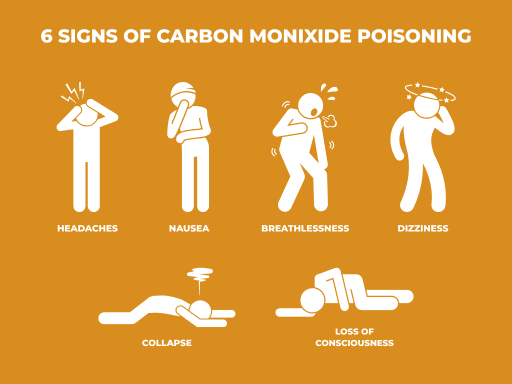
When you’re travelling in your caravan, comfort and convenience are often top of mind. But there’s one unseen danger that every caravan owner should take seriously: carbon monoxide leaks. This…